Are you planning your trip to Istanbul, but do not have any idea how long you should stay? Well, this blog post is written just for you! First of all, it shouldn’t be an exaggeration if I say that you will be visiting one of the best cities in the world. In fact, it is believed that once a great leader said:
If the Earth were a single state, Istanbul would be its capital.
So, how long should you stay in this great city? Personally, I believe that at least 3 days should be spared to substantially grasp the magnificence of Istanbul. You may actually regret your decision of staying less than 3 days as I guarantee that you will be missing this city. With this mindset, I divided this post into three timelines: for those who are staying for 3 days, a week, or longer than a week.
Rush
Package (3 Days)
If you have limited time in Istanbul, your priority should be shuttling between the touristic places as fast as you can. Even though the real satisfaction of a trip usually comes from local and non-touristic experiences; you will not-at-all regret spending your time in between these historically rich places of Istanbul. I provide fun facts and insight cultural information about historical places to maximize your experience:
Hagia
Sophia
Not
surprisingly, this is the number one place of every visitor as it’s one of the
most important landmarks of Istanbul.

For much
of its first 900 years of existence, this landmark served an important role in
Byzantine culture and politics; because it was considered the central church of
faith, and the place where new emperors were crowned.

When the
Ottomans captured Constantinople in 1453, the next significant period of change
for Hagia Sophia began. The Ottomans renamed the city of Istanbul. Moreover, as
Islam was the central religion of the Ottomans, the Hagia Sophia was renovated
into a mosque.
The Hagia
Sophia’s role in politics and religion remains a contentious one, even
today—some 100 years after the fall of the Ottoman Empire.
Distinguishing
features of Hagia Sophia
- The oldest cathedral in the world.
- It has been the world's largest cathedral for about a thousand years since its construction (until the construction of the Seville Cathedral in Spain in 1520). Today, it ranks fourth in terms of face measurement.
- The world's fastest-built cathedral.
- It is one of the world's longest (15 centuries) places of worship.
Rumors (Fun Part!)
• Justinian I’s Dream: Rumor has it that Justinian I told people about a saint who had visited him in his dream and showed him on a silver plate the image of Hagia Sophia. The construction started immediately with this spiritual sign when the architect also said he had the same dream.
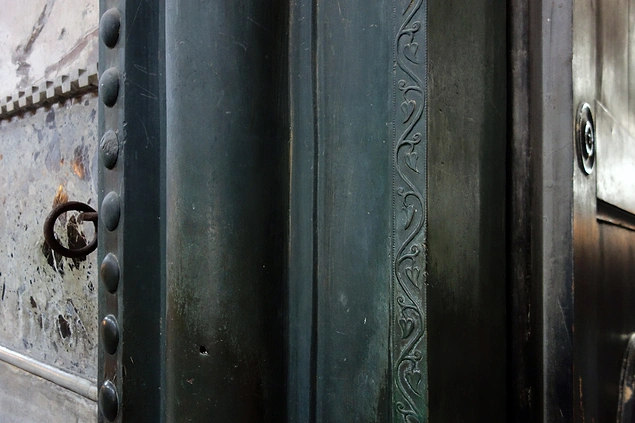
• Enchanted doors: Legend has it that Hagia Sophia has a total of 361 gates, but 101 of them are large and talismanic. Because whenever these doors were counted, an extra door would appear.
• The Sacred Relics of Jesus: The Emperor, according to the Christian discourse, brought the cross that Jesus had been crucified and the nails used when they crucified Jesus and hid them in one of the secret chapters of Hagia Sophia. The reason why they kept the Sacred Relics in Hagia Sophia was that Jesus would land in Hagia Sophia in the world after 40 thousand years.
• Doomsday: When you enter through the door in the south direction of the building, the third row of columns on the verdict of His Holiness Khidr is said to have written the date of the break. The column reads "Eighteen on Sunday, the Year 1038". According to the Hijri calendar, 1038 is the year of 1629 in the Gregorian calendar. Well, as we are not all dead, could it symbolize the start of an end?
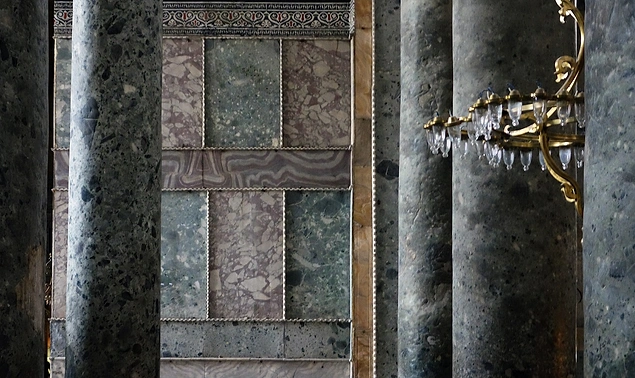
• Satan is imprisoned in Hagia Sophia: After the conquest of Istanbul, Mehmet II ordered Hagia Sophia to be converted into a mosque, so the devil kept stalling the workers constantly as he did not want Hagia Sophia to be a mosque. Akşemsettin (building supervisor) prayed right away when he understood this situation. Allah, who accepts his prayer, has imprisoned the devil in marble in Hagia Sophia
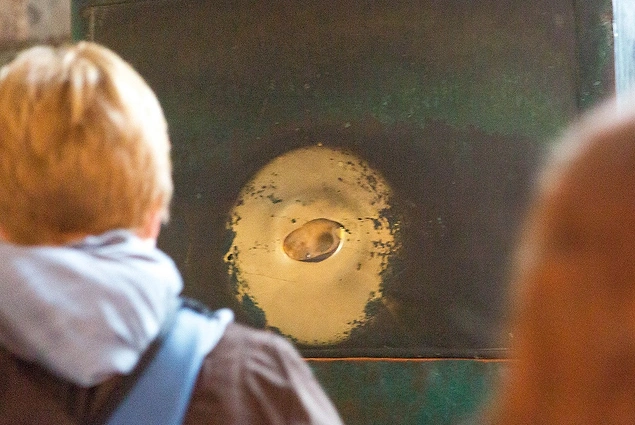
• Column punctuated with the tears of Mary: The Crying Column inside Hagia Sophia was a column in the house of Mary. One day they told the Virgin Mary that Jesus had been captured and he had been tortured. Mary could not stand the torture of Jesus and burst into tears, melting this column of one of the tears. While the Hagia Sophia was being built, the emperor brought this column from the house of the Virgin Mary to the holy place of Hagia Sophia. Therefore, the stone is seen as sacred. Those who have any wishes will insert their fingers into the hole created by the Virgin Mary in this column and make a wish.
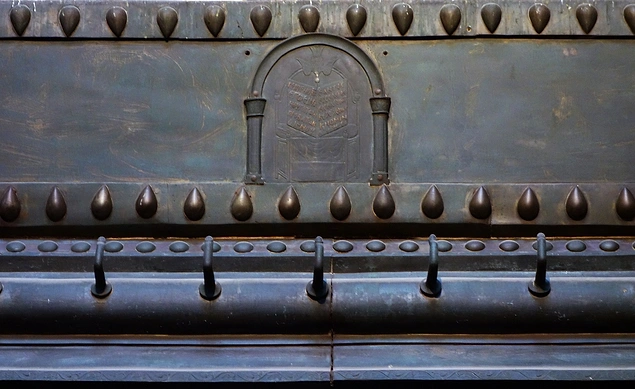
• The priest who disappeared with the Holy Grail: A priest preached to Hagia Sophia during the conquest of Istanbul. The pastor went through a gate with the Holy Grail because he did not want the holy pot to fall into the hands of the Muslims. And the door got closed. But the Muslims saw the pastor pass by. When they reached the spot where the priest had disappeared, they faced a flat wall. According to the legend, the priest was still there with the Holy Grail.
• The Secret of the Mosaic of Deisis: A mosaic of Deisis was built in 1264 to the Hagia Sophia, which filled the eye with its mosaics. The figure of Jesus in this mosaic is said to be not really Jesus. The reason for this is the scar on the right eyebrow of the Jesus figure in the mosaic. The scar marks the number 11 and it is known to belong to the Pythagorean Priest Apollon. Why is there Apollo in the mosaic? The Pagans, who made this mosaic and forced into Christianity, actually portrayed Apollon, although they appear to make the figure of Jesus into the mosaic.

Topkapı Palace
After the
conquest of the Ottoman army in 1453, Topkapı Palace was built in 1460 and was
home to the Ottoman sultans until the middle of the 19th century.

Today, the
Topkapı Palace Museum is one of the largest palace museums in the world with
its invaluable treasures such as 300.000 archival documents, weapons and
equipment of that period and priceless treasures such as Kaşıkçı Diamond.
Blue
Mosque
The Blue
Mosque (Called Sultanahmet Camii in Turkish) is a historical mosque in Istanbul
which was constructed in the 17th century. The mosque is known as the Blue
Mosque due to the blue tiles that surround the interior walls. It also includes
a tomb, a madrasa and a hospice like many other mosques. The Sultan Ahmed
Mosque has become one of Istanbul's popular tourist attractions, as well as
being used as a mosque.

If you ask
why the mosque has 6 minarets (4 is the normal number), the legend says that
the Sultan Ahmet I wanted to have the minarets made of gold, but the value of
the gold to be used in the cladding surpassed the budget of the Sultan. The
architect of the mosque, Sedefkar Mehmet Aga pretended to mishear this order
and built the mosque with 6 minarets. (Turkish word for gold is ‘altın’, and
six is ‘altı.’)
Grand
Bazaar
The
construction of the future Grand Bazaar's core started during the winter of
1455/56, shortly after the Ottoman conquest of Constantinople and was part of a
broader initiative to stimulate economic prosperity in Istanbul.

Today, the
Grand Bazaar is visited by tens of thousands of local and foreign tourists
wanting to buy souvenirs, carpets, and rugs, leather, silver, jeweler,
copperware, antique, etc.
Basilica
Cistern
Dan Brown
fans will remember this place from the book Inferno, where the crazy scientist…
Well, I do not want to give spoilers.

Basilica
Cistern is one of the magnificent old buildings of Istanbul and it is located
in the southwest of Hagia Sofia This large underground water reservoir,
constructed for Justinian I, by the Byzantine emperor (527-565), is known as
the "Cistern Basilica," due to its marble columns underground.

The two
Medusa heads, which are used as pedestals under the two columns in the
northwest corner of the cistern are among the most interesting parts of the
cistern. It is still a mystery where the Medusa heads were brought from.
Bosphorus
Cruise
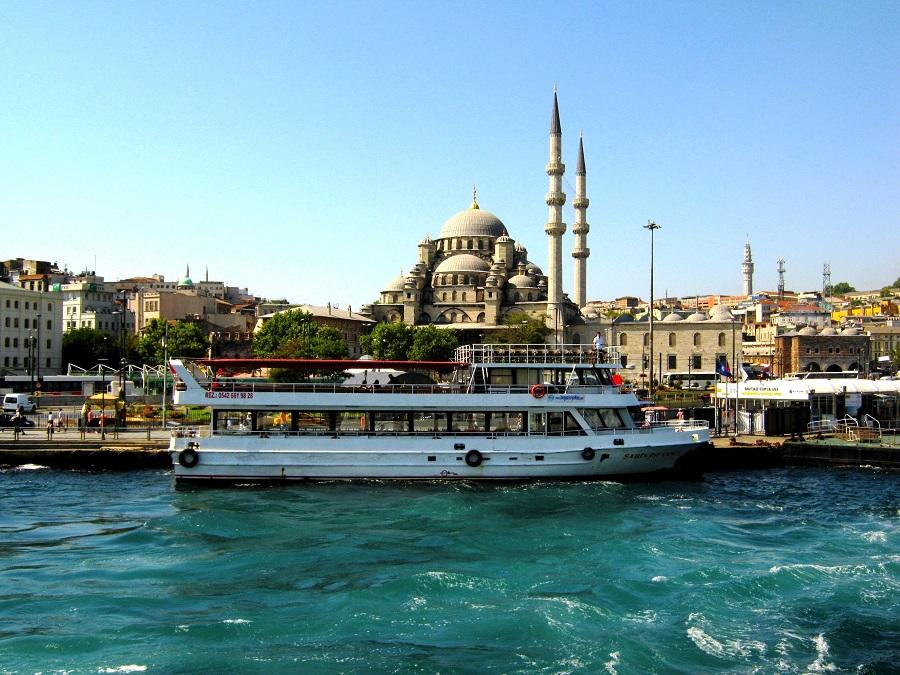
The
Bosphorus cruise is one of the best ways to see Istanbul in all its splendor,
from the heights of the tourist sites in Sultanahmet to the famous Ottoman
seaside mansions.
Dolmabahce
Palace

Built in
the 19th Century, Dolmabahce Palace is one of the world's most splendid
palaces. With the last of Ottoman Sultans residing there, it was the
administrative center of the late Ottoman Empire.
Galata
Tower

The Galata
Tower is one of Istanbul's tallest and oldest towers. The tower, which is 63
meters high, offers a panoramic view of the old town. It was built by the
Genoese colony in the 14th century as part of the defense wall surrounding
their Galata district. The tower was called "Christea Turris," or
"Christ's Tower." The Genoese were involved in the Byzantine trade
and the tower was used in the Golden Horn harbor surveillance. It served to
detect fires in the city after Mehmet II's conquest of Constantinople.
Suleymaniye
Mosque

Suleymaniye
Mosque was built in the 16th century for Sultan Suleyman the Magnificent, by
the great Ottoman architect Mimar Sinan. It stands on a hilltop overlooking the
Golden Horn and contributing to Istanbul's skyline. Sultan Suleyman ordered the
mosque, and architect Sinan built it between 1550-1557 AD in seven years. Like
all the major mosques of that period, this mosque was also built as a complex
that included a hospital, library, school, kitchen, and hospice for the poor,
Turkish bath, and shops.
Ortaköy
Mosque

Ortaköy
Mosque is a Neo-Baroque mosque in the Ortaköy district of Beşiktaş, Istanbul.
The mosque was eventually constructed in 1855 and served the Ottoman Sultan
Abdülmecid as the Grand Imperial Mosque. It was designed by Armenian architect,
Garabet Balyan, and his son Nigoğayos Balyanl, who were also responsible for
the Dolmabahce Palace.
Keeping it Chill Package (1 Week)
If three days are not enough for you and you are one of those tourists who like to keep it chill and slow, spending at least a week can be wiser. In addition to the places that I listed above, you can add these activities below to your traveling schedule and have a broader sense of living like an Istanbulite.
Istanbul
Archeological Museum
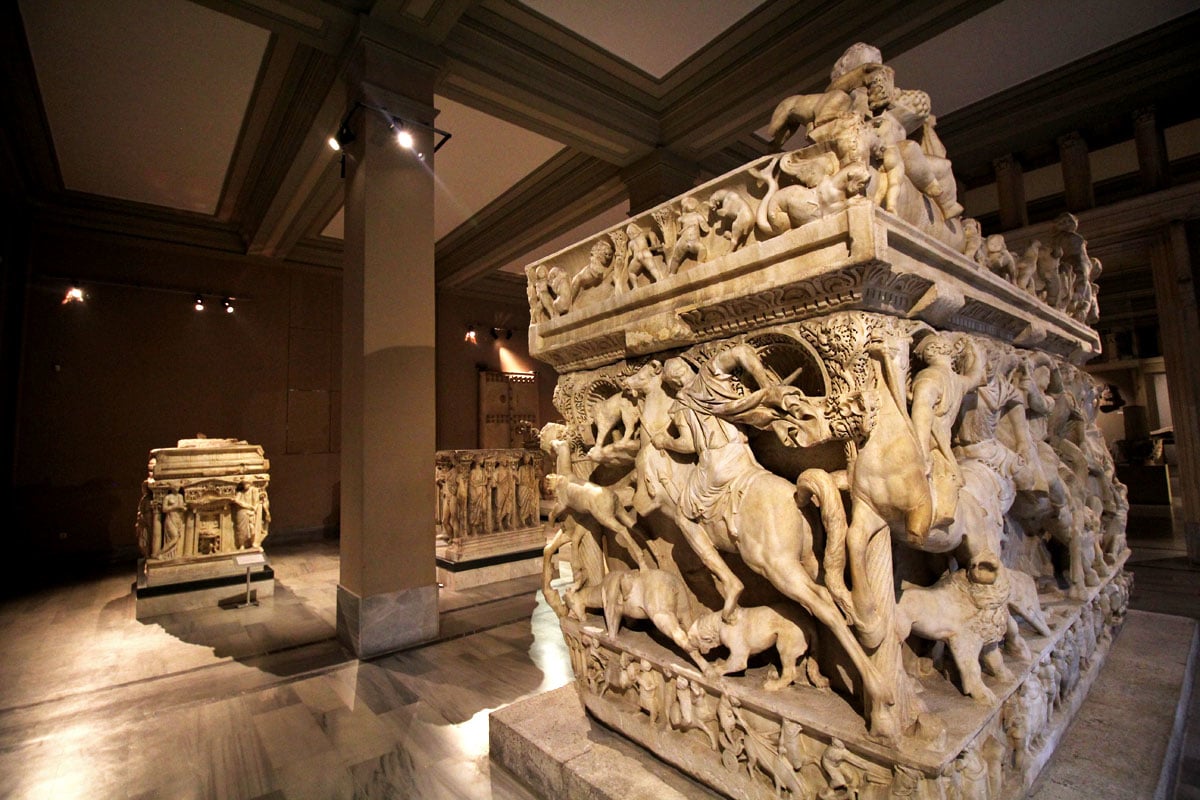
Istanbul's
Archeological Museum consists of three museums: the Museum of Archeology, the
Ancient Orient Museum, and the Islamic Art Museum. This museum was founded in
1875 by master painter Osman Hamdi Bey in response to the removal of many of
Turkey’s ancient artifacts destined for European museums. There is a wealth of
treasures on show from the Assyrian, Hittite, Egyptian, Greek, Roman, Byzantine
and Ottoman civilizations. You should not miss especially the following:
• The Kadesh Treaty – the world's oldest
peace treaty, written in cuneiform, signed in 1274 and discovered in Hattusa's
Hittite capital.
• The oldest Love Poem of the 8th century
Ancient Babylonian Age, beginning with:
“Bridegroom, dear to my heart,
Goodly is your beauty, honey sweet,
Lion, dear to my heart,
Goodly is your beauty, honey sweet.”
Relaxing At the Caddebostan Coast

Caddebostan's
coast is one of the places to visit from beginning to end. You can have dinner
at the seaside restaurants in this charming seaside neighborhood. One of the
most beautiful views of Istanbul will accompany you while you eat. Caddebostan
Coast is the only place in Istanbul that has a bicycle path. In the morning,
you can ride a bike along the beach. The fashion pier close to the area can be
one of the places you can stop by and relax. You can stroll around Baghdad
Street and shop at world-famous stores on the street. Baghdad Street will also
serve you in the best way with its restaurants and cafes. Do not leave
Caddebostan without seeing the Istanbul Toy Museum and Haydarpaşa Train
Station.
Spending Time In Kadıköy
Kadikoy is one of the most popular districts of Istanbul with its vibrant and colorful neighborhood life, bazaar, student population, cultural and artistic activities, nightlife, shopping malls, historical buildings, seaside eating places, and ferry ports.

If you are
in Kadıköy; You're in the heart of the coolest cafes, the most trendy bars. It
is always advised to grab a beer in the bars of Kadıköy in the evening, as the
nightlife is greatly vivid.
Discovering Ortaköy
Ortaköy is located under the European foot of the Bosphorus Bridge and is one of the most popular neighborhoods of Istanbul with its beautiful and colorful bazaar and lively atmosphere located in the triangle of the magnificent mosque, church, and synagogue. Ortaköy is also one of the most popular meeting points of Istanbulites with its popular nightlife venues, bars, beautiful cafes and restaurants, the Bosphorus Square, which sells souvenirs, handicrafts, and interesting objects. Moreover, you can take a break while playing 'kumpir' while playing backgammon.

Emirgan Grove

Emirgan
Grove covers the area of beautiful old historical ruins of Istanbul, and it is
one of the places where Istanbulites pay great attention to, especially on
weekends. Undoubtedly, the unique Bosphorus view and the feasts of the
fortresses in this grove are very magnificent.
Having a Long Breakfast Facing Towards the Bosphorus
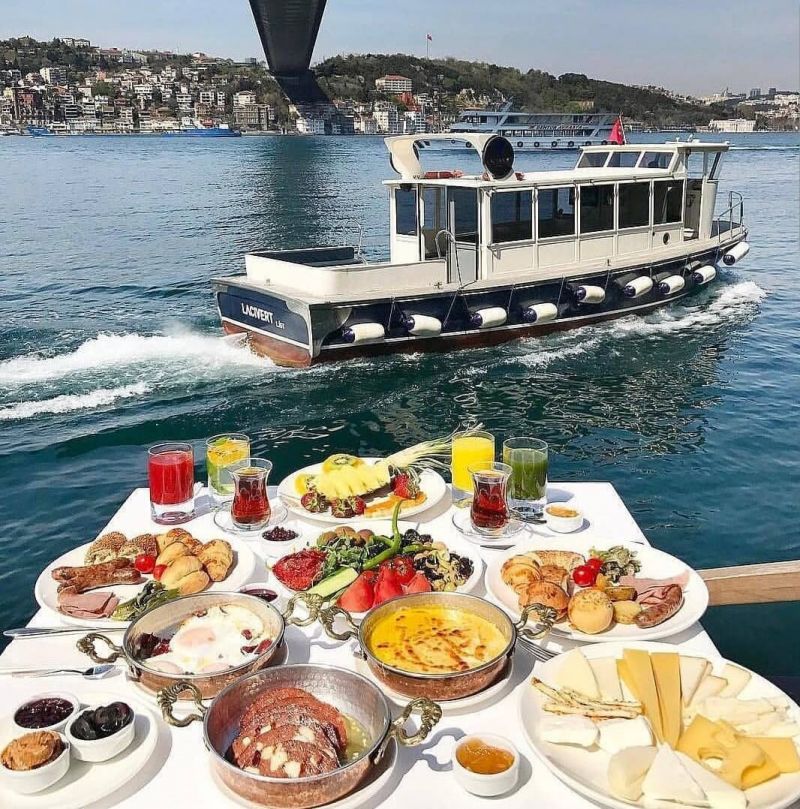
Having a breakfast facing the Bosphorus is one of the compulsory experiences to have in Istanbul. Without rushing anywhere, enjoy the famous Turkish breakfast while breathing in the sea weather; drink cups and cups of tea and relax. The satisfaction will be multiplied if you go with a friend group and share your waves of laughter!
The
Islands
Princes '
Isles are a chain of nine islands in the Marmara Sea. They evolved from a place
of exile during the Byzantine era, to a popular destination for tourists and
Istanbulites alike to escape the hectic city life for a day. Of the nine
islands, only four are open to the public: Büyükada (the biggest one),
Burgazada, Heybeliada, and Kınalıada.

The sound
of silence is the main characteristic of these islands. The islands are
therefore an oasis of calm and peace, also due to the fact that all motor
vehicles are banned. Bicycle lights and the typical sounds of horse hoofs are
the only sounds you will hear. The main
means of transport are horse-drawn carriages and bicycles. However,
transportation by the carriages is not so welcomed, as a number of horses faint
due to over-exhaustion.
Pierre
Loti Hill
Pierre
Loti Hill is one of the most famous hills of Istanbul. This hill takes its name
from a French poet Pierre Loti who was a lover of Turkey and lived there
between the years 1850-1923. During this period, because of his love and visit
to this hill, his name was given to it.
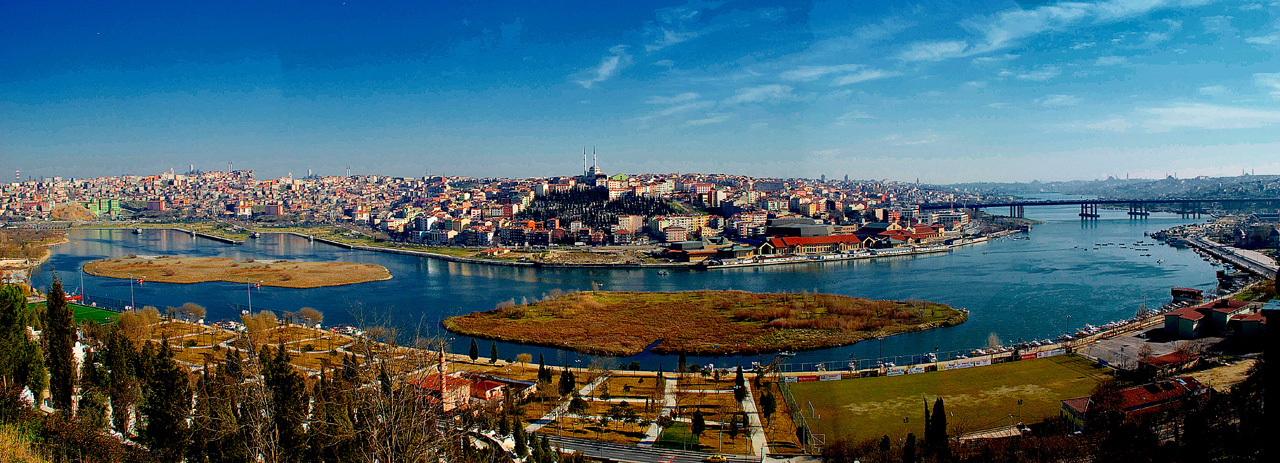
Pierre
Loti is famous for its coffee shop. The poet is often said to come to this
coffee to see the married woman he fell in love with. Today, this coffee place
is decorated with furniture from the 19th century and the service is given by
the employees in period clothes.

Pierre
Loti Hill can be reached in about 20 minutes' walk from Eyup Sultan.
Embroidered and historic tombstones can be seen on the walkway. The most
interesting of these stones are the ones belonging to Ottoman executioners.
Maiden’s
Tower

Maiden's
Tower is situated at the southern entrance of the Bosphorus off the shore of
Üsküdar district. The name comes from a legend: the Byzantine emperor heard a
prophecy saying that a snake would kill his beloved daughter at the age of 18.
Therefore, he decided to place her in this tower built on a rock isolated from
the land on the Bosphorus, so that no snake could kill her. But after all, a
snake hidden in a fruit basket brought to the princess from her town bit and
killed her. Therefore, she could not escape from her destiny.
Exploring Like A Local (15 Days)
If you spend longer than a week in Istanbul, you will be one step closer to the full Istanbul experience. However, there is one downside of staying longer: you will get more used to the city and eventually get addicted to Istanbul.
Istanbul, a universal beauty where poet and archeologist, diplomat and merchant, princess and sailor, northerner and westerner screams with same admiration. The whole world thinks that this city is the most beautiful place on earth.
Turkish
Bath
Turkish
bath (hammam) is a form of public bathing which can be found in the Ottoman
Empire culture.

As is
known, cleaning is an important place in Turkish culture. For this reason, do
not think of baths as normal spa centers. The people of the baths, who are in
charge of making people clean, are helping you to remove all the dead skins and
dirt from your skin. They're being a little rough on this.
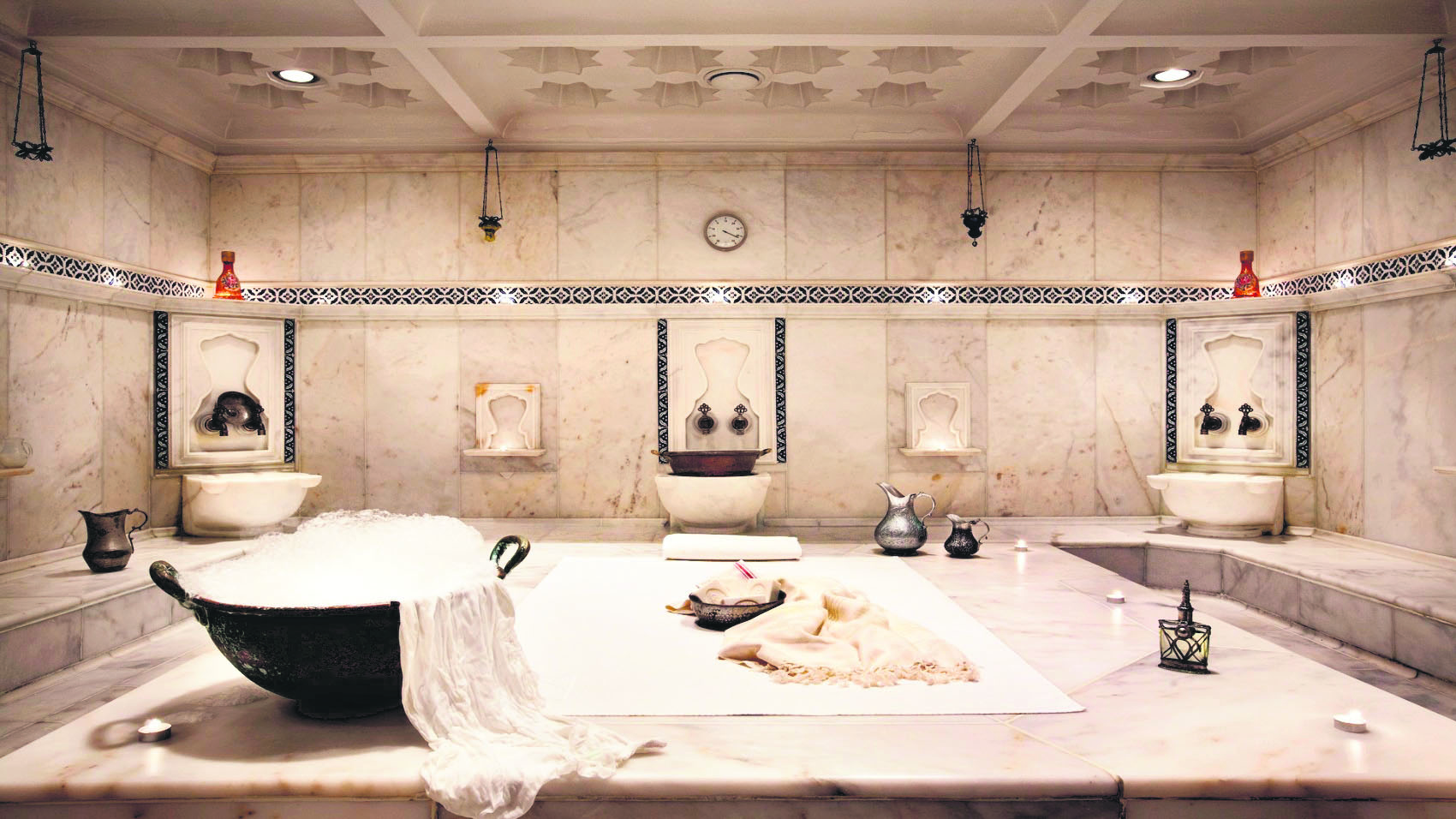
After
relaxing yourself with hot water flowing from marble fountains, I cannot tell
the feeling of sleeping in cold white marble. Especially if you have paid for
people to bathe you there, the fatigue of bathing from head to toe will make
this experience even better.
Local
Events
What is better than joining local events if you’re trying to have a local experience? Luckily, Istanbul hosts a lot of events and you may catch one of those if you are lucky! Some of the local events that are held annually are listed by The Istanbul Insider below:
Spring
- International Istanbul Film Festival
- Tulip Festival
- Commemoration of the Anzac Landings
- International Istanbul Theater Festival
- International Istanbul Puppet Festival
- Conquest of Istanbul
Summer
- International Istanbul Music Festival
- International Istanbul Jazz festival
- Grease Wrestling
- Rock ‘n’ Coke
Fall
- International Istanbul Biennial
- Akbank Jazz Festival
- Tüyap Book Fair
Winter
- Efes Pilsen Blues Festival
Related
Questions
What's the best time of year to visit Istanbul? I would recommend visiting Istanbul either in spring or summer, as the weather would be better and outdoors life would be more vivid.
How should I dress in Istanbul? As you wish. Turkey is a secular state, and there are not any strict dress codes. However, maybe it is better to wear less revealing clothes to feel more comfortable.
Do I need a visa for Istanbul? You can check out the website of Ministry of Foreign Affairs of Turkey to search for that information: http://www.mfa.gov.tr/visa-information-for-foreigners.en.mfa